
When Should You Remove Old Attic Insulation? A Chicago Heights Homeowner Checklist
Decision support for homeowners in Chicago Heights, IL—with practical next steps and links to the services that solve the root problem.
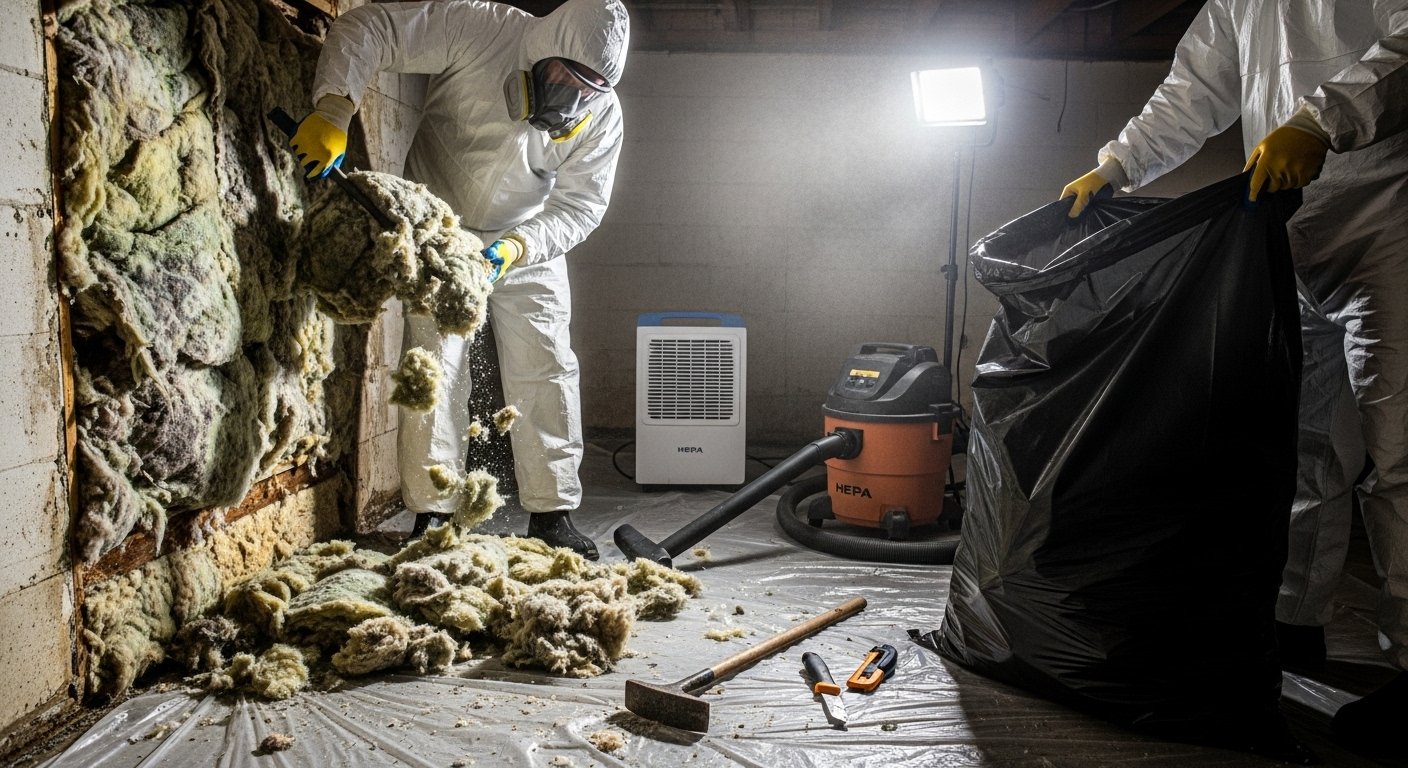
Removal isn’t automatically required—but when insulation is damaged, contaminated, or wet, topping it off can lock problems in place.
Situations where removal is usually the smarter call
- Rodent contamination: droppings, nesting, or strong odors.
- Moisture damage: roof leaks, bath fan venting into attic, or insulation that feels clumped and heavy.
- Mold risk: recurring dampness or visible growth on framing/sheathing.
- Severely compressed material: insulation that no longer lofts and can’t perform.
When topping off can be acceptable
Good candidates
- Existing insulation is dry and relatively clean.
- No odor or contamination concerns.
- Air sealing can still be done properly.
Red flags
- Staining, moisture, or musty smell.
- Evidence of pests.
- Ventilation problems or bathroom fans dumping into attic.
Checklist: what to document before you decide
- Photos of insulation condition and any staining.
- Where the moisture might be coming from (roof, vents, plumbing).
- Access points and safety constraints.
- Areas with missing insulation at edges and penetrations.
If you text us these details, we can often tell you whether removal is likely before we step onsite.
Related services
If this guide describes what you’re dealing with, these services are the most direct fix:
More helpful reads
- Moldy Insulation: Replace or Clean? What’s Safe in Illinois Homes
- How Much Does It Cost to Insulate a Garage in Chicago Heights?
FAQs
Can you install new insulation over old material?
Sometimes. If it’s dry and clean, topping off can work. If it’s wet, moldy, or contaminated, removal is typically smarter.
How do I know if insulation is contaminated?
Strong odors, visible droppings, nesting, or dark clumped areas are common signs. Photos can help us triage quickly.
Will removal solve odors?
It often helps, especially when contamination is present and air leaks are sealed afterward.
Do I need to fix leaks first?
Yes. Roof leaks, plumbing issues, and moisture sources should be corrected before reinstalling insulation.
Is replacement worth it?
It is when the existing material is no longer doing its job or creates health and moisture concerns.