
Spray Foam Insulation Cost in Illinois: What You’re Really Paying For
Decision support for homeowners in Chicago Heights, IL—with practical next steps and links to the services that solve the root problem.
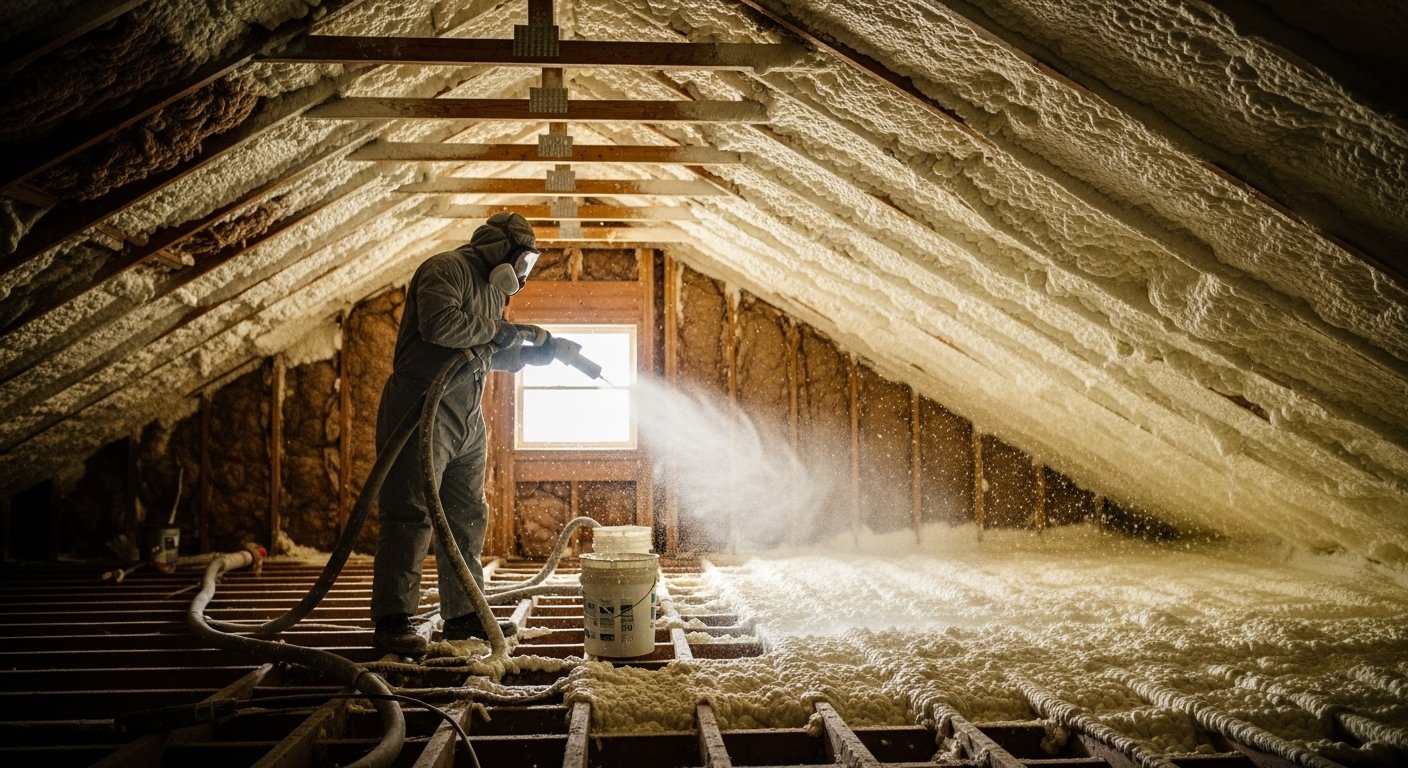
Cost guides are most useful when they explain scope. Below is how homeowners in Chicago Heights, IL should think about pricing so you can compare quotes fairly.
What you’re paying for (beyond “materials”)
- Access + containment: protecting living spaces, safe work platforms, and clean setup.
- Prep work: air sealing, moisture corrections, ventilation detailing, or removal when required.
- Installation quality: consistent depth, continuity at edges, and correct assembly choices for the space.
- Verification: confirming coverage and giving clear next-step guidance.
The biggest pricing drivers in Chicago Heights homes
Condition of what’s already there
Clean, dry insulation can sometimes be topped off. Wet, moldy, or rodent-damaged material usually needs removal so the rebuild doesn’t fail again.
Air sealing scope
Sealing top plates, penetrations, rim joists, and access points is often what turns “new insulation” into a real comfort change—especially in windy cold snaps.
How to compare quotes without getting burned
- Confirm the target: what R-value/depth (or foam thickness) is being installed and where.
- Ask about bypasses: how attic penetrations or rim joists are handled before insulation goes in.
- Look for continuity: edges and transitions are where heat loss hides.
- Verify cleanup: especially for removal projects—containment and disposal matter.
Budget-smart sequencing
If you need to phase the project, start with air sealing and the biggest heat-loss area (often the attic), then move to crawl space/basement upgrades as budget allows.
Related services
If this guide describes what you’re dealing with, these services are the most direct fix:
More helpful reads
- Basement Insulation Cost in Chicago Heights: Options for Concrete Walls
- Why Ice Dams Form on Chicago Heights Roofs (and the Fix That Actually Lasts)
FAQs
Do you give exact pricing over text?
We can give helpful ranges and explain cost drivers, but exact pricing usually needs a quick inspection because access, air sealing, and removal needs vary.
What’s the biggest cost swing factor?
Access and prep (air sealing, removal, moisture) often change the scope more than the insulation material itself.
Is the cheapest quote usually fine?
Not always. Thin installs, skipped air sealing, or poor ventilation detailing can reduce performance and create moisture issues.
Can I phase the work to fit a budget?
Often yes—start with air sealing and the highest heat-loss area, then expand when ready.
Do rebates change the price?
Sometimes. Program availability and rules change, but we can help you understand what documentation is typically required.